

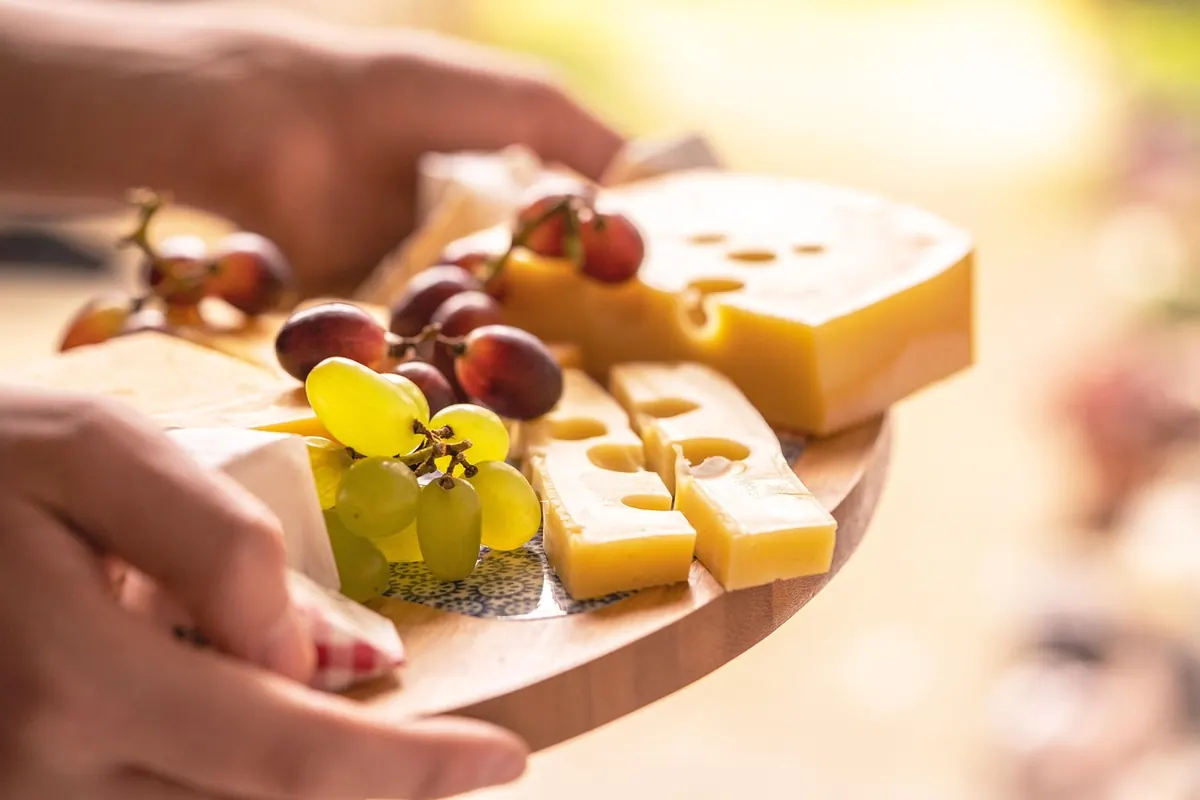
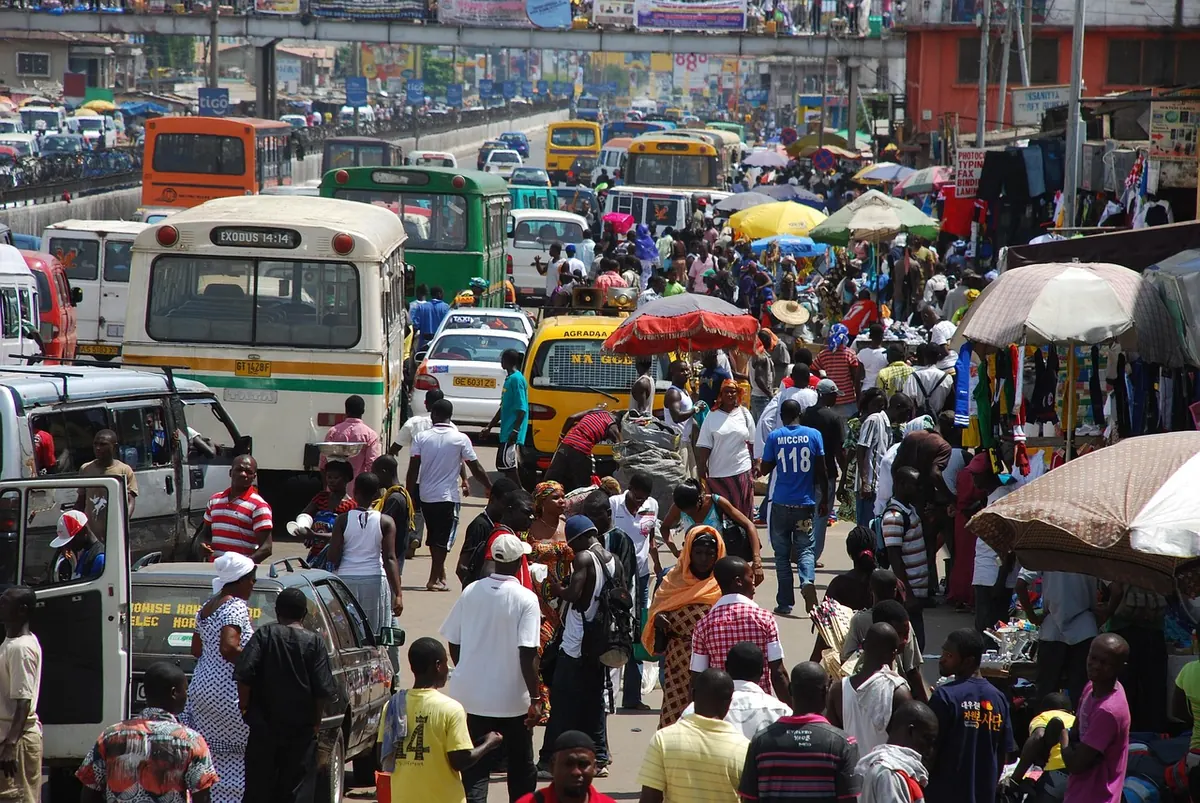
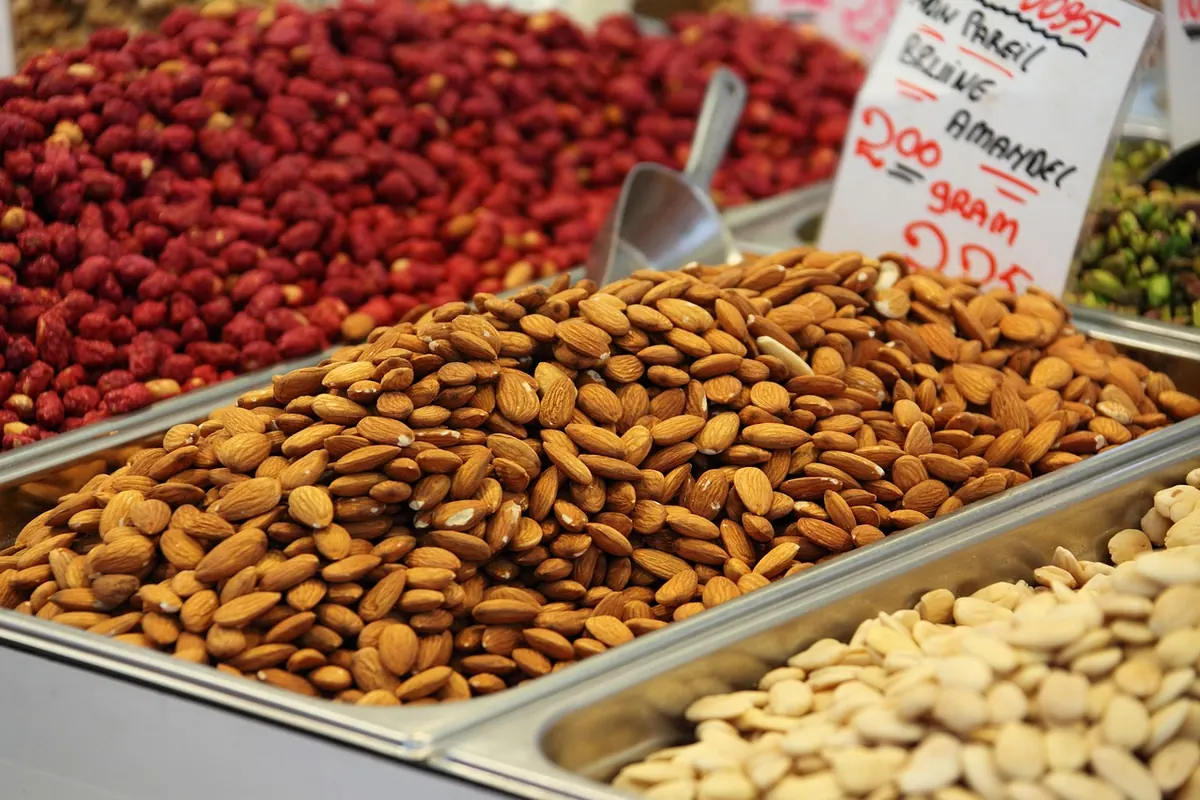
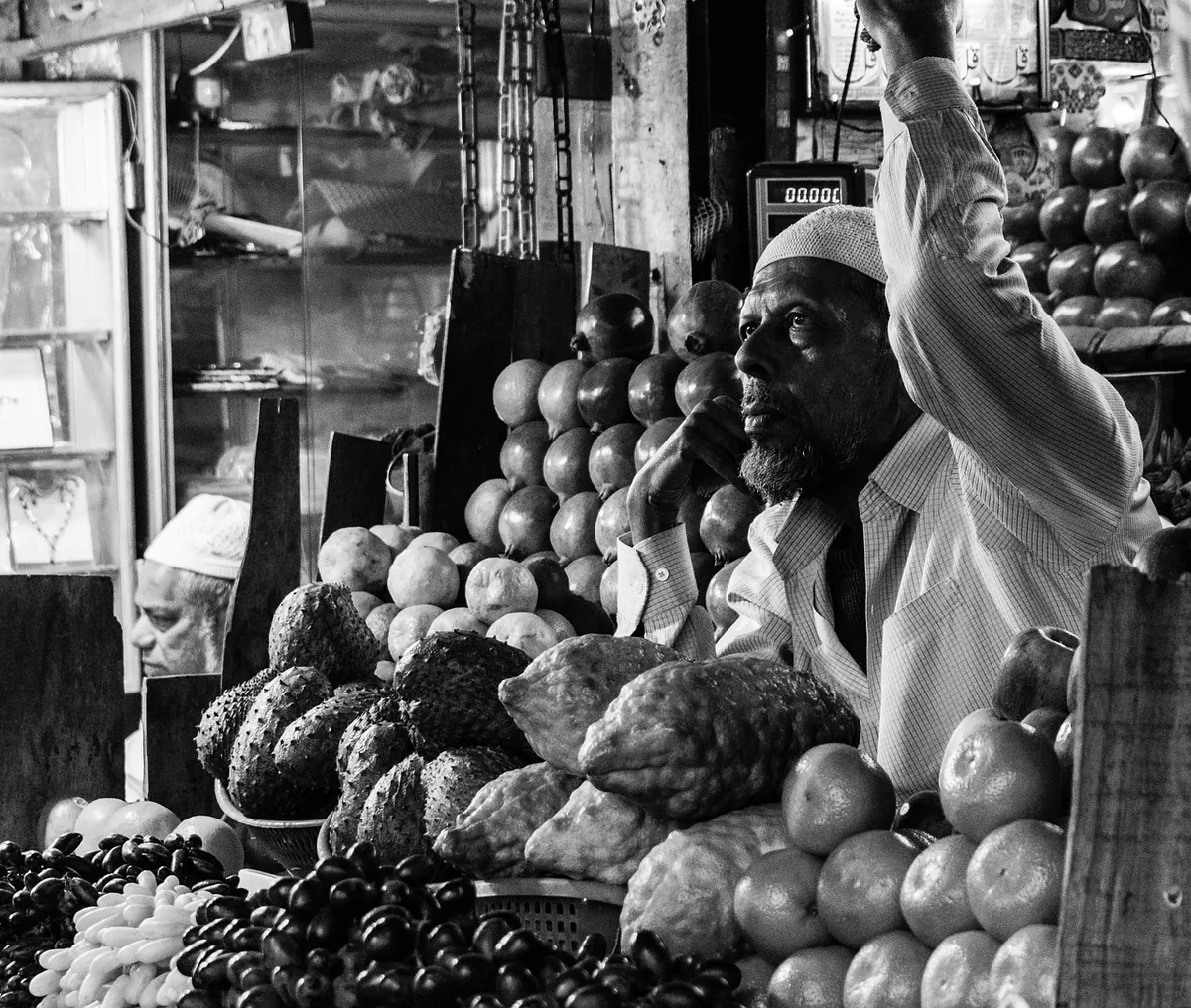
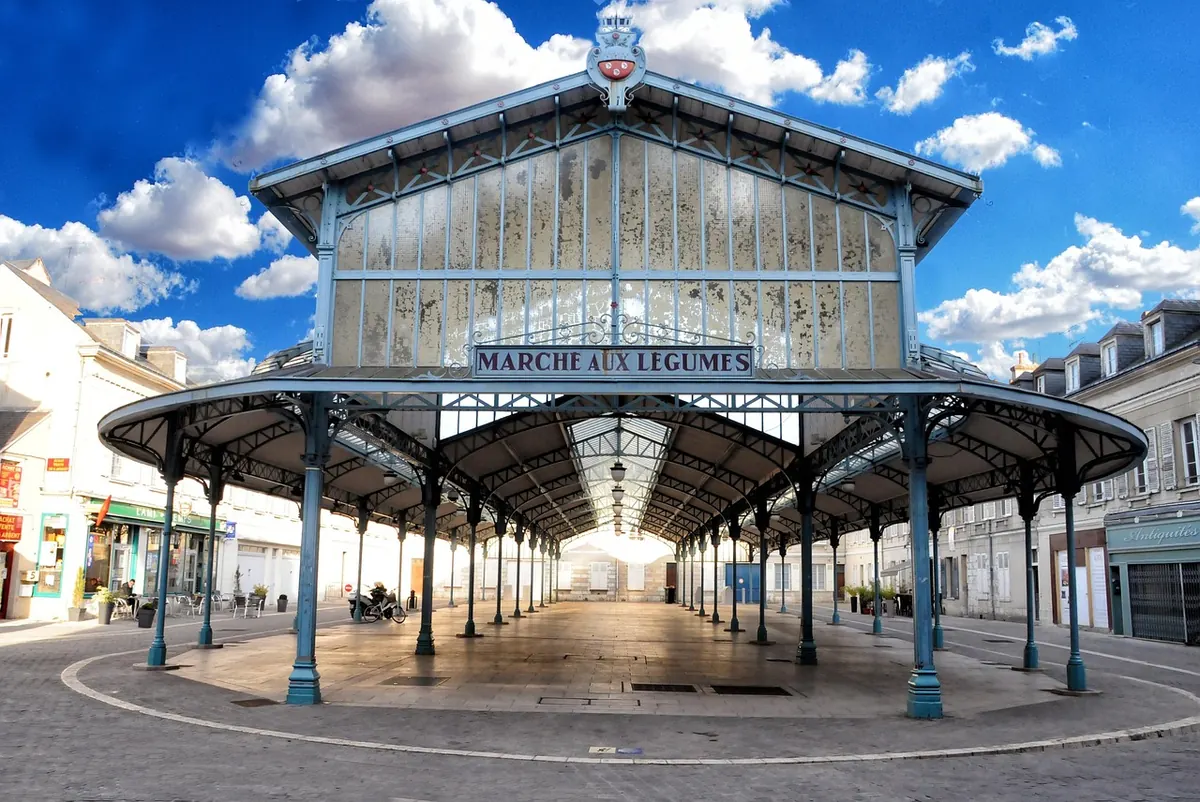
Two markets, four streets apart. On Saturday morning they compete for the same shopping bag: one is a row of folding tables under gazebos in a piazza, the other a stone building with tiled floors and a fish counter that has been in the same family for decades. Both sell food. They behave nothing alike. If you have just moved into a neighbourhood, or you have walked past the covered market for years without once stepping inside, the choice is less about which is better and more about which fits the way you actually cook, shop and spend a morning.
The basic difference: an event versus an institution
A farmers market is a recurring event. Producers load a van, set up, sell what they grew or made, pack up by early afternoon, and come back next week or next fortnight. The person handing you the courgettes is usually the person who picked them, and the range shifts with the weather.
A covered municipal market is a building with permanent concessions. The traders hold leases, work six days a week, and buy stock from wholesale markets, importers and distributors. They are retailers, not growers, and their skill lies in selection, trimming, cutting and knowing what will still be good on Thursday.
That single structural difference explains almost everything else: freshness, price, variety, hours, and the kind of conversation you will have over the counter.
Freshness: two different kinds of "just picked"
Farmers markets shorten the chain. Produce is often harvested within a day or two of sale, which is why a tomato tastes of tomato and why a peach may be perfectly ripe and slightly bruised on one side. The trade-off is fragility. Ripe fruit bought on Saturday should be eaten by Tuesday, not forgotten until the following weekend.
Covered markets run on logistics. Deliveries arrive early each morning, the cold room does its work, and the fishmonger can tell you which day the boat came in. The produce may have travelled further, but it is handled by people who understand shelf life and who cannot afford to sell you something that spoils in two days.
Practical tests you can run at the stall
- Ask a direct question: "When was this picked?" or "Which morning did this arrive?" Vague answers are informative.
- Look at the crate and the label, not just the display. They often tell you the region and the packer.
- At a farmers market, buy for two or three days, not the week. Buy the week's staples elsewhere.
- At a covered market, ask which day the fresh delivery lands for each counter. Fish, meat and vegetables rarely share a schedule.
Price ranges: what you are actually paying for
Farmers market prices tend to be set per bunch, per basket or per piece, and they hold steady through the morning. You are paying for ripeness, variety and a short chain, not for volume. Some things will be cheaper than anywhere else: a glut of courgettes in July, second-choice apples sold by the crate, herbs sold in generous bunches. Others will cost more, because small-scale growing and hand-picking are expensive and the grower sets the price without a wholesaler in between.
Covered markets carry more internal competition, which is good for your wallet. Three greengrocers within thirty metres means you can compare a kilo of potatoes in under a minute, and staples, bulk buying and everyday cuts usually sit at reasonable, stable prices. The last hour before closing is the classic moment for reduced trays and mixed boxes.
A working rule: buy your staples, bulk and weekly protein at the covered market; buy peak-season treats, unusual varieties and anything you plan to eat within two days at the farmers market. Prices vary by city, season and stall, so treat any single visit as a sample rather than a verdict.
Vendor variety: depth versus rotation
The covered market wins on completeness. Fish, beef and poultry, cheese, bread, dried goods, a bar with three tables and a coffee machine: you can do a full shop in one building, in twenty minutes, in the rain. Because the traders are there every day, they learn your habits. The butcher will set aside the cut you like; the cheesemaker will tell you honestly when the pecorino is not at its best.
Farmers markets offer rotation instead. One week there is a beekeeper, the next a woman selling preserves made from fruit too ripe to travel, and somewhere in the line a grower with four kinds of aubergine and strong opinions about which one to fry. The weakness is reliability: stalls sell out by nine, a producer may leave the circuit, and a wet week can wipe out a whole category of produce.
Opening hours and the rhythm of the week
Covered markets keep shop hours. Typically six days a week, morning until early afternoon, with a long closing day that catches out newcomers, plus closures around public holidays. Learn your building's quiet hours: mid-morning on a Tuesday is a different, calmer place than Saturday at eleven.
Farmers markets are periodic by design. Once a week or once a month, usually from early morning until lunchtime, often outdoors. Go early for choice, go late for reduced prices and pick over the leftovers, and always check the calendar before you set out, because a market that moves for a religious feast or a civic event will not announce it at your front door.
Two habits make this manageable: photograph the noticeboard on your first visit, and ask one vendor whether the same producers appear at other markets nearby. Most circuits overlap, which gives you a second chance at the same cheese on a different day.
The social experience: neighbours versus destination
In a covered market you become a regular, which is a slow and quietly valuable thing. The queue has a rhythm. Someone complains about the weather, the bar fills at eleven, and after a few months you are greeted with a nod and a "the usual?". It is a daily habit rather than an outing, and the intimacy can feel intimidating at first. Standing at the counter and saying plainly that you are new, and asking what is good today, is usually all it takes.
Farmers markets are more of a destination. The pace is slower, children and dogs circulate, and the conversation is with the person who grew the thing: how to cook it, how long it keeps, why this year's crop is late. When it is busy, though, that conversation disappears and the experience becomes purely transactional. Both kinds of market reward the same currency, which is showing up more than twice and remembering a name.
A practical way to start
Do not choose a favourite from a single Saturday. Give each market three visits before you decide.
- Walk your covered market once without buying. Note the counters, the closing day and the hours posted by the door.
- Find the nearest farmers market and its calendar, then arrive in the first hour to see the full range.
- Split your shopping list: weekly staples at the covered market, short-life and seasonal items at the farmers market.
- Talk to one vendor at each place, ask one specific question, and write down the answer. Next visit, ask a follow-up.
- Keep a rough note of what you paid for your five most regular items. Two months of that tells you more than any comparison.
Then let the week decide for you. A working Tuesday belongs to the covered market, with its tiled floor, its queue and its steady supply. A free Saturday morning belongs to the piazza, where the tomatoes are ripe and the grower is watching to see what you think of them.
Photo: DenisDoukhan / Pixabay