


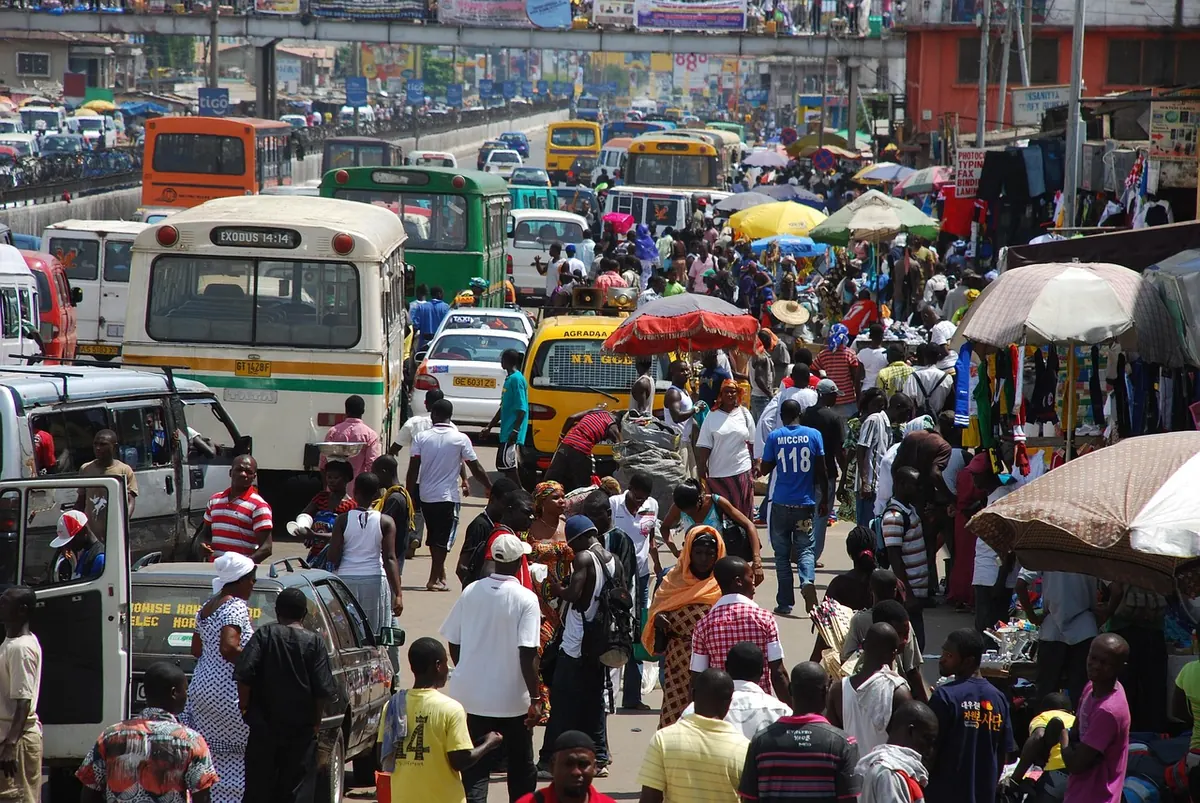
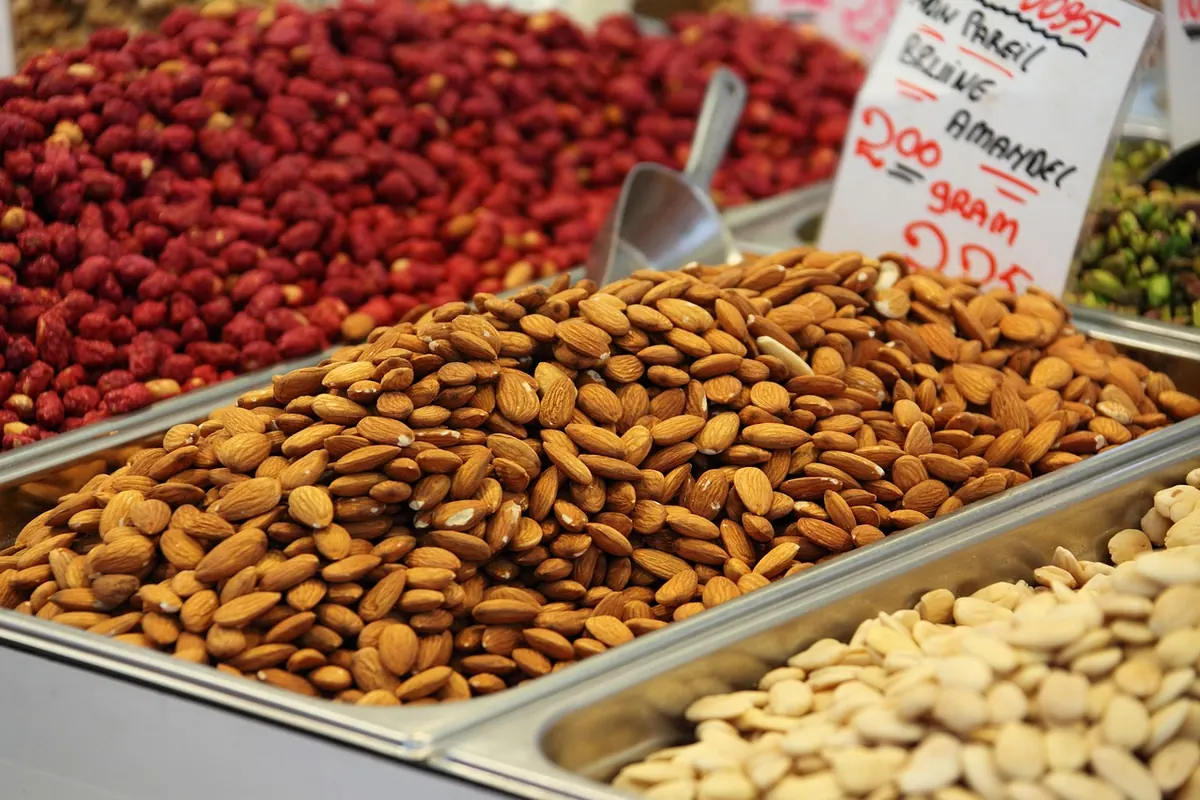

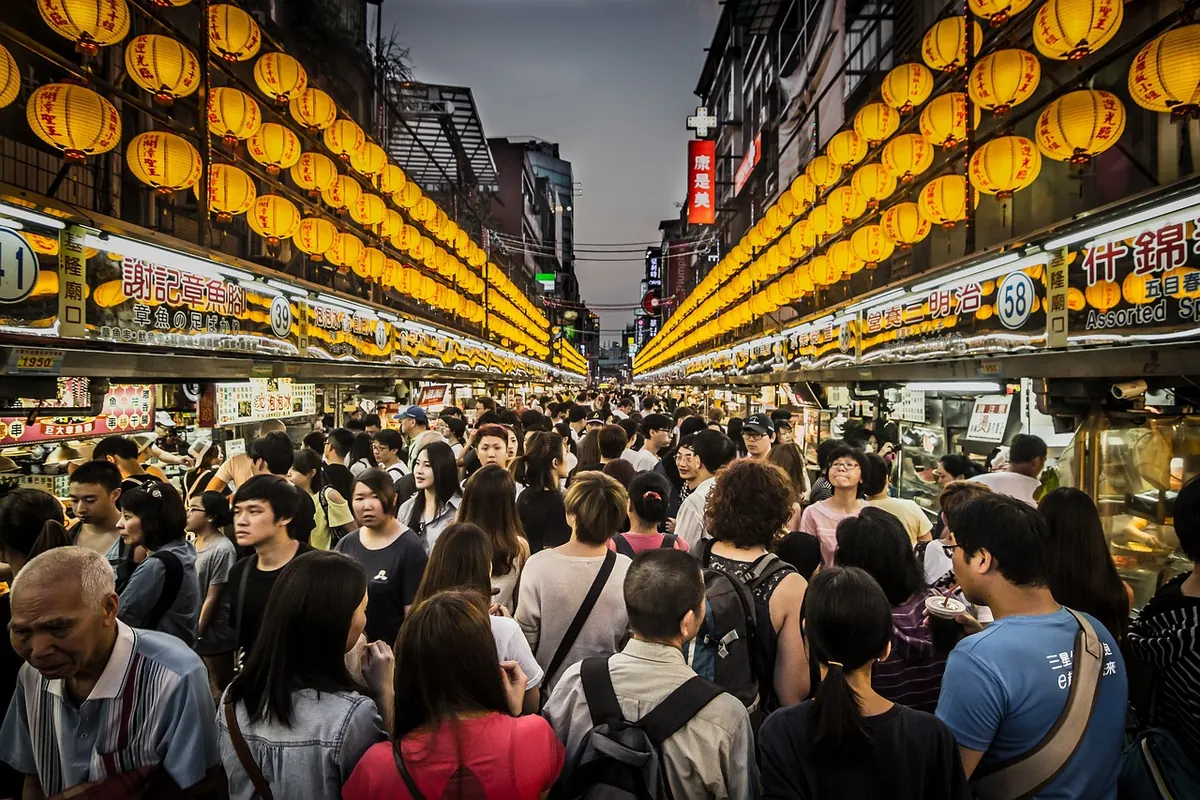
Something shifts on a street around six in the evening. The bakery shutters come down, office doors open, and a queue forms at a folding table selling dumplings, grilled skewers, or lemonade in wax-paper cups. For a vendor, that hour can be worth more than a whole quiet afternoon. Evening markets have been growing quietly for years, and the reason isn't complicated: people want dinner, they want to be outdoors, and they want it without booking a table or committing to a full restaurant meal.
If you sell food, or you're thinking about it, this is a trend worth understanding properly. Not as a novelty, but as a different way of trading with different rules.
Why evenings work when afternoons don't
Daytime markets live on routine: the same shoppers, the same hours, the same basket. Evening markets live on mood. Someone leaving work at 6:20 has already decided not to cook. Someone walking a dog at 7:40 is looking for something to do. A family with two small children has a narrow window between school pickup and bedtime, and a market with ten stalls is a cheap evening out.
That's the first thing to prepare for. Your customer isn't shopping — they're deciding how to spend an evening. They arrive with an appetite and a modest budget, they come in groups, and they stay longer than a shopper would. They also come back, week after week, if the experience is easy and pleasant.
There's a practical consequence. Evening trade rewards speed, smell, and visibility far more than range. A stall with forty items and a slow queue will lose to a stall with eight items and a line that moves.
Three kinds of evening buyers
Most weekday-night traffic falls into three loose groups, and they want different things.
After-work eaters
They arrive fast, roughly between six and eight, and they're hungry now. They want a portion they can eat standing up, a payment method that doesn't involve hunting for cash, and a clear sign of what they're getting. Anything that takes more than a minute to explain loses them.
Strollers and families
They come later and slower. Children change everything: smaller portions, a simple drink, somewhere to sit for five minutes, and a stall they can approach without feeling rushed. Hand a child a napkin or a small taste of something and you've probably made a regular for the season.
Evening browsers
These are the people who buy a drink, then a dessert, then come back for something to take home. They respond to display, to lighting, to a vendor who looks like they're enjoying themselves. They're also the most likely to photograph your stall, so keep the front tidy and the rubbish out of sight.
Light, height, and the layout of a stall at night
Daylight hides a great deal. Darkness doesn't. Before your first evening service, look at your pitch the way a stranger will see it from six metres away.
- Light the food, not the sky. Warm light angled onto the counter and the front row of product, plus a second light for the sign. Test it at dusk — phone photos will show you the truth.
- Keep the sign high and short. At or above eye level, lit from the front, three or four words. Nobody crouches to read.
- Leave a gap at the front. A metre of clear space for queueing, with the menu visible from where the line starts rather than only from the counter.
- Plan the payment point. A separate spot for paying keeps the line moving; a card reader on the counter is fine when the queue is short.
- Give people somewhere to put things. A ledge, a bin, napkins within reach. Small frictions decide where people choose to eat.
- Respect the weather. Weights on the canopy, a plan for wind, and lids that don't blow off. A gust at 8pm can end a night's takings.
The menu edit: fewer things, done better
Evening trade rewards a short menu. Not because customers are simple, but because a queue is a performance: people in line watch what's being handed over and decide from that. Too many items and the queue stalls, the smells get muddled, and the person at the back quietly leaves.
Cut back to a handful of things. Keep one vegetarian option, one that works for children, and one signature item you'd be happy to be known for. Prep as much as possible before you open so that service is assembly rather than cooking from scratch. Have a "sold out" sign ready and use it without apology — a clean sell-out looks better than a tired counter at nine o'clock.
On portions: evening buyers often want to eat now and buy something else later. Small, well-priced portions can outsell one large plate, and they're easier to eat standing up. Price so that the evening's extra costs — lighting, power, longer hours, a second pair of hands — are genuinely covered, and round to amounts that make change quick. If you're unsure about margins or tax treatment for a new trading pattern, ask an accountant rather than guessing.
Staffing for a longer day
Evening markets stretch the working day. Someone who prepped at eight in the morning and is still serving at ten at night will start making mistakes with money and with food safety. Build in a break and a handover, and treat two people as the minimum for any stall that expects a queue: one cooking, one taking payment and restocking.
Brief anyone helping you on two things: what's in each dish, and how to answer a question about allergens without improvising. A short ingredients card taped inside the stall does more good than a long explanation. Keep hot food hot and cold food cold, keep your records as you go, and check the local requirements for your site with your local authority — rules vary by city and by market, and a quick call before the season starts saves a lot of trouble.
Organisers, neighbours, and the small print
Night markets happen close to where people live. Music, generators, and the smell of frying carry into bedrooms. Introduce yourself to the organiser early and ask about power, water, waste, closing times, and where the bins actually are. Keep your pitch spotless and leave nothing behind, including boxes and oil.
Ask about permits and insurance in writing before you commit to a season, and confirm what the organiser covers and what you must hold yourself. Requirements differ from place to place, and this is not an area to guess at — a few questions now are cheaper than a cancelled Saturday.
Start with one evening a week
Don't rebuild your whole business around night trading on the strength of one busy evening. Pick a single market, commit to four consecutive weeks, and write down three numbers after each one: roughly how many people passed the stall, how many bought something, and which item you sold out of first. Four weeks gives you a pattern; one night gives you a story.
Then adjust the obvious things first — the sign, the light, the queue, the menu length — before you change what you cook. The vendors who do well at night are rarely the ones with the most elaborate pitch. They're the ones whose stall is easy to understand from ten steps away, whose food smells like dinner, and whose line keeps moving. Get those three right and the evening crowd will find you, week after week.
Photo: 3005398 / Pixabay